For decades, large parts of the economy have been built around abstractions: numbers on screens, layers of intermediaries, and growing distance from tangible reality. That is changing.
We are seeing a shift toward Physical Assets, tangible, productive elements of the real economy, supported by modern digital recordkeeping that improves traceability and documentation. This is no longer theoretical; it is already shaping how ownership and stewardship of real-world resources are structured.
From Abstract Concepts to Structured Frameworks
In recent years, linking physical assets with digital recording systems has moved from experimentation to real implementation. What began as a technology trend has evolved into practical frameworks designed to improve transparency and accountability.
This approach adds capabilities that traditional models often struggle to provide:
- Traceability, by recording the status and history of an asset in controlled digital records (e.g., digital ledgers).
- Transparency, by providing owners with documented evidence tied to specific physical assets.
- Accessibility by enabling individuals to acquire and track specific real-world assets without requiring specialized operational expertise.
For many people, the appeal is simple: moving away from abstract structures and toward ownership of something tangible, something that exists, can be documented, and grows.
Why Physical Assets Matter Now
The growing focus on tangible assets reflects a broader demand for clarity: stronger governance, better documentation, and verifiable reality rather than vague claims.
Physical Assets sit at that intersection. They are measurable and independently verifiable, without relying on hype. Within this category, professionally managed trees stand out as a distinctive living asset with long-term environmental relevance.
Nature as Documented Reality
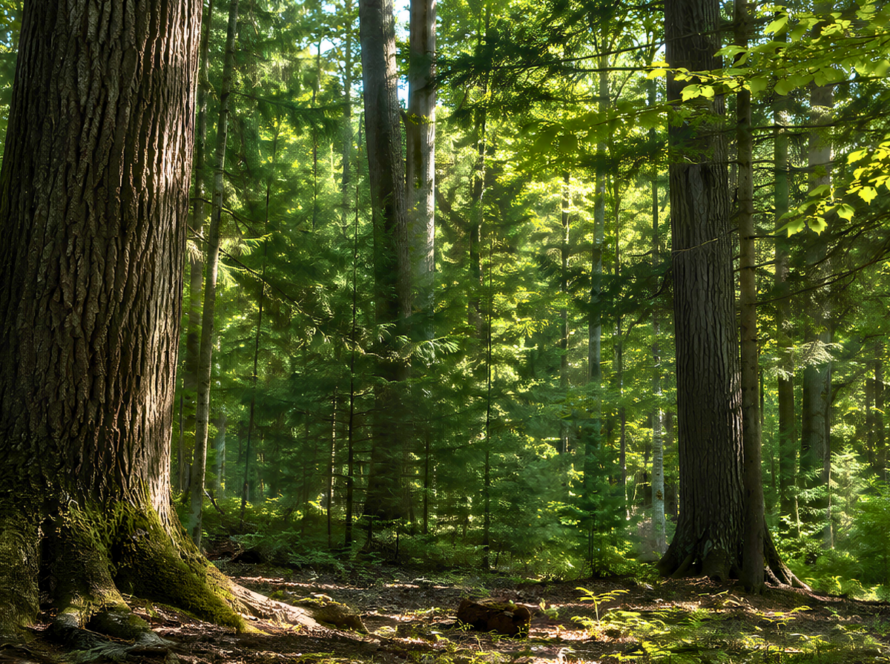
Forests, biomass, and the biological lifecycle of a tree are not abstract ideas. They are measurable systems with physical presence and established growth cycles.
Modern digital infrastructure enables stewardship to be documented with greater accuracy. Key management actions and lifecycle milestones are recorded in structured records such as an annual OSS Owner Summary Statement, so transparency is evidence-based, not promotional.
ProspecTree and the Lease of Use Agreement
ProspecTree is designed to connect tangible nature with verifiable documentation through a clear commercial contract.
Each tree in the ProspecTree model is an individually identified Physical Asset. The framework is structured through a Lease of Use Agreement:
- You acquire ownership of specific trees, each assigned a unique Tree ID.
- You grant a Lease of Use, allowing our team to cultivate and manage the trees over the agreed term (e.g., 20 years, where applicable).
- Contractual Rent applies under the terms of the agreement, as consideration for the right to use the trees during the lease period.
- Cultivation follows defined agronomic procedures, with key stages recorded for traceability.
Responsible Cultivation and Management
A sustainable model requires structured management. In the ProspecTree framework, our professional team handles operational work, from nursery preparation and planting to irrigation, protection, and harvesting, according to defined procedures.
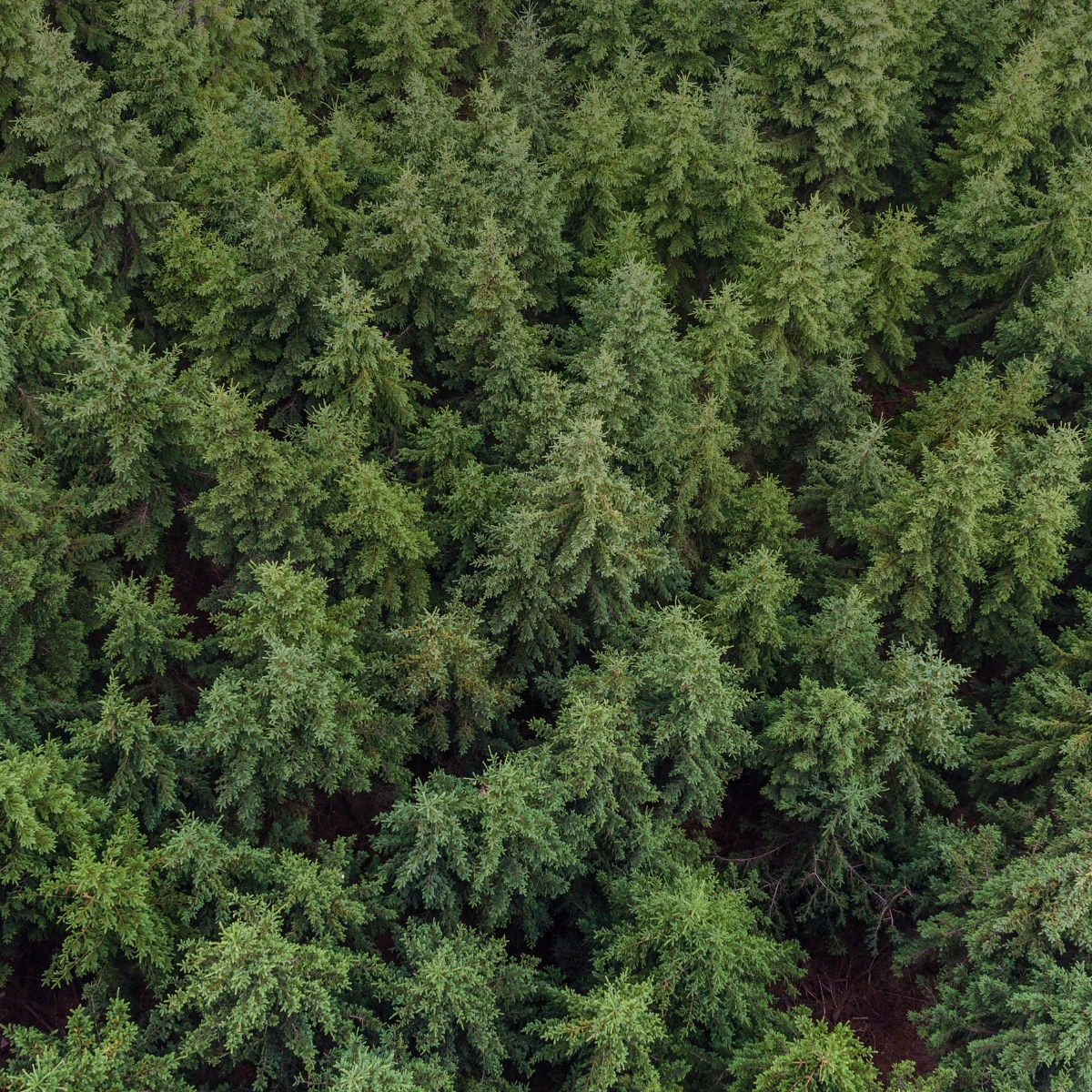
Demand for timber and natural resources remains significant. By cultivating established species such as Paulownia and Eucalyptus, selected for their suitability to local conditions and well-studied growth cycles, ProspecTree supports professionally managed plantations while helping reduce pressure on natural forests. The Owner holds the asset while we manage the work.
Transparency Backed by Records
In modern asset ownership, transparency must be built into operations. ProspecTree documents key stages of ownership and management so they can be reviewed and verified.
- Each tree is assigned a unique Tree ID.
- A digital identification certificate may be provided at no cost, solely for identification and traceability purposes; it does not embed rights and is not a financial product.
- Our internal Tree Ledger serves as the company’s accounting and informational record, documenting status and lease-related data for each asset.